


New Round of OFAC Sanctions Target Iran
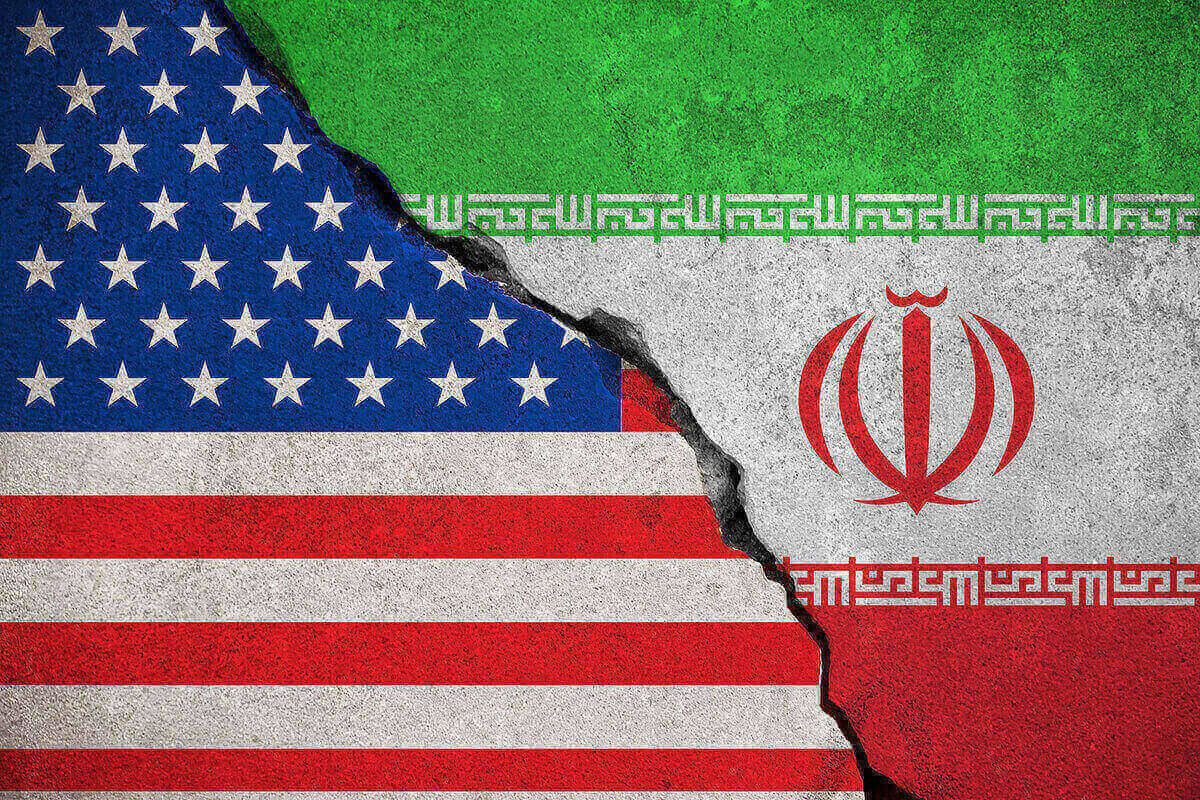
Considering the increasing tension between Iran, Israel, America, and the rest of the world, it makes sense that the U.S. Department of the Treasury’s Office of Foreign Assets Control (OFAC) decided to issue a new round of sanctions to weaken Iran.
These latest sanctions specifically target Iran’s shadow banking network and the Iranian brothers Mansour, Nasser, and Fazlolah Zarringhalam. 30 individuals and entities associated with the trio have been sanctioned as a result of allegedly laundering billions of dollars to support destabilizing activities.
According to the OFAC, the brothers used a number of foreign front companies and exchange houses that spanned over several countries including China, the United Arab Emirates, Hong Kong, and Iran to enrich the Iranian elite.
The Zarringhalam brothers intentionally used these networks to knowingly assist the already-sanctioned regime. First, the brothers would receive money from the sale of petroleum, petroleum products, and other commodities. Then, they’d use their shadow banking network to illegally funnel the money to dangerous individuals in power. This network allowed the regime to evade sanctions and move money to fund nuclear and missile programs in violation of current international agreements.
The sanctions specifically mention Zarrin Ghalam and Partners Exchange, Mansour Zarrin Ghalam and Partners, Ace Petrochem FZE, Moderate General Trading, and several trading companies based out of Hong Kong. As a result of the sanctions, no U.S. individual or business is authorized to conduct business with these individuals or entities.
Around the same time as issuing these latest sanctions, the Department of the Treasury’s Financial Crimes Enforcement Unit also updated an advisory to help citizens and financial institutions more effectively identify and report suspicious activities related to Iran’s illegal activities.
According to a press statement issued by the U.S. Department of State, the United States intends to continue to deny Iran access to the global banking system and international financial networks so long as the regime continues to participate in destabilizing activities.
What Happens if You Violate OFAC Sanctions?
If the OFAC finds you or your business in violation of sanctions, then you could get hit with substantial penalties. You could face fines of up to $1 million and up to 20 years in prison for each violation if you are charged with a criminal violation of sanctions. On top of these punishments, expect your business’s reputation to take a hit, too. When your business is associated with supporting terrorist organizations or regimes, it can spell a publicity disaster.
Often, businesses are not able to recover from the financial fines and civil penalties they endure from an OFAC sanction violation charge. Civil penalties are typically hundreds of thousands of dollars, but they can vary based on the circumstances of the violation.
It’s each business’s responsibility to ensure they are adhering to the law and avoid conducting any transactions with foreign adversaries or sanctioned individuals.
If you need legal advice regarding a potential OFAC violation, then our team of international attorneys can help. Schedule a free case review with our office now by filling out our oline form.